
Winter in Inwood, NY can freeze a pipe fast. One cold night is enough.
When water inside a pipe freezes, it expands. That pressure can split the pipe open. Then, when the ice melts, water floods your home and causes water damage. A burst after a freeze can also lead to mold growth in wet walls and floors, so prevention matters twice.
The good news: most frozen pipes can be prevented. You do not need to be a plumber. You just need to do a few simple steps before the first hard freeze. This is how to keep pipes from freezing in winter, step by step. Frozen pipes in winter are a common cold weather plumbing problem, but simple winter pipe protection can keep pipes from freezing.
Frozen pipe prevention is cheaper than any repair. Frozen pipes in Inwood are common in older homes — especially near Dyckman Street and Inwood Hill Park, where pipes often run through cold exterior walls and unheated basements.
This guide is for Inwood homes and apartments — especially older homes, where a frozen pipe can become a burst pipe overnight.
Do these steps in November, before deep winter arrives. Prevention is far cheaper than a burst pipe repair.
Need help now? Call Burst Pipe Repair Inwood at (585) 123-4567. We offer pipe inspection and maintenance, frozen pipe repair, and 24/7 emergency help in Inwood.
Why Do Pipes Freeze?
Three things make Inwood homes at risk:
- Cold snaps. New York City gets hard freezes every winter. Temperatures can drop well below freezing overnight. A single cold snap can freeze a pipe that was fine the week before.
- Older buildings. Many Inwood homes are pre-war or older. Their pipes often run through uninsulated exterior walls, basements, and crawl spaces.
- Unheated spaces. Pipes in a cold basement, garage, or under a sink on an outside wall get cold fast. If the heat is off or low, they can freeze.
You cannot change the weather. You can protect the pipes.
Step 1: Insulate Exposed Pipes
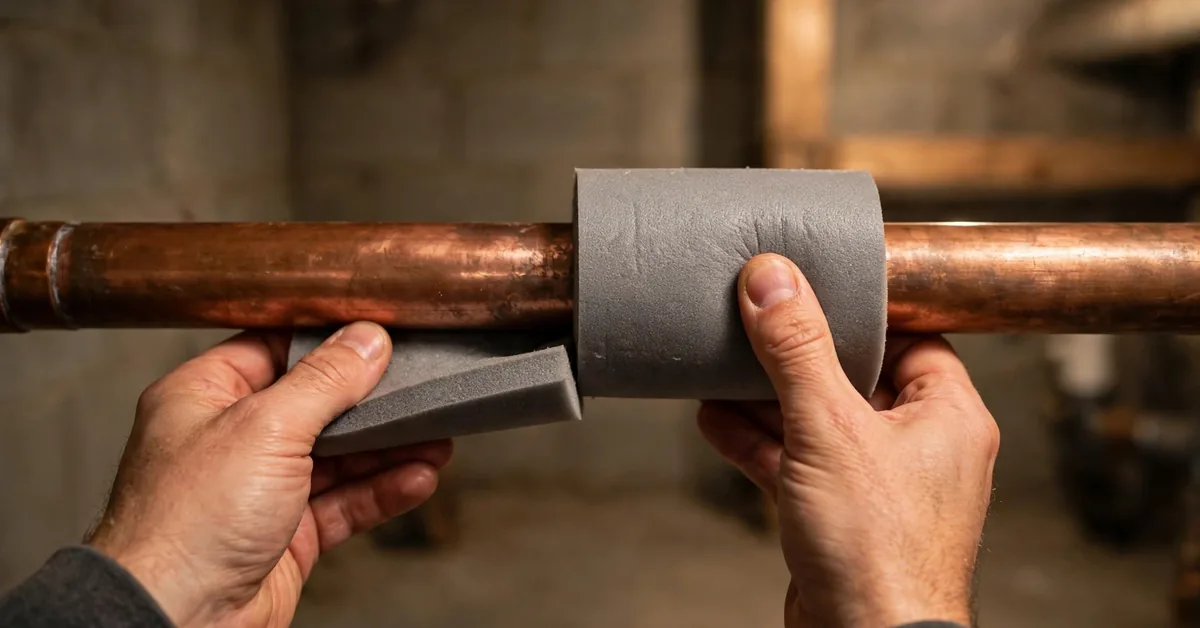
This is the single best step you can take. Insulate pipes you can see in a cold place, and insulate basement pipes first — they freeze first.
Wrap foam pipe insulation around any pipe you can see in a cold place:
- Basement and cellar pipes
- Pipes near exterior walls
- Pipes under sinks on outside walls
- Pipes in unheated storage areas
- Outdoor pipes and spigots
Foam sleeves are cheap and easy to fit. Focus on the coldest pipes first. Even a thin layer helps.
If you have pipes in a shared building chase or behind a wall, you cannot insulate them yourself. Ask a plumber to check them during a pipe inspection.
Step 2: Keep the Heat On — Even When You Are Away
Never turn your heat off completely in winter, even if you leave home for a few days.
Keep your home warm and steady, day and night. General guidance from the American Red Cross is to keep the heat at 55°F or higher if you will be away. Do not let the temperature drop low overnight to save a little money — a burst pipe will cost far more.
If you are a landlord, keep the heat steady in empty units too. A vacant apartment with no heat is a common cause of frozen pipes in NYC buildings.
Step 3: Open Cabinet Doors on Cold Nights
On very cold nights, open the kitchen and bathroom cabinet doors under your sinks.
This lets warm room air reach the pipes behind them — especially pipes on an exterior wall.
This is a simple step, and it works best together with insulation and steady heat.
Step 4: Let a Faucet Drip During a Hard Freeze
When the temperature drops very low, let faucet drip slowly — let a cold faucet drip, even a thin stream helps.
Moving water freezes much less easily than still water. A thin drip or a pencil-thin stream is enough.
Use the faucet furthest from where the water enters your home, if you know it. Let it drip only during the coldest nights, not all winter.
This step helps most for pipes that are already at risk — for example, a kitchen sink on an outside wall.
Step 5: Seal Drafts and Gaps Near Pipes
Cold air can freeze a pipe even if the room feels warm.
Check for cold air coming in:
- Around pipes where they enter through walls or floors
- Around windows and doors near plumbing
- Through cracks in an exterior wall
- Through vents near water lines
Seal small gaps with caulk or spray foam. Close windows near water pipes. Even a small draft can freeze a nearby pipe overnight.
Step 6: Disconnect Outdoor Hoses and Drain Outdoor Spigots
Before the first freeze, do this outside:
- Disconnect all garden hoses
- Drain the hoses completely
- Shut off the inside valve that supplies outdoor faucets, if you have one
- Drain the outdoor spigot
Water left in a hose or outdoor pipe will freeze and can burst the faucet or the pipe inside your wall.
Step 7: Find Your Main Water Shut-Off Valve Now
You need to know this before an emergency, not during one.
Find your main shut-off valve today. In most Inwood homes, it is in the basement, near the water meter, or in a utility closet. This water shut-off valve is the first thing to use in any burst, so show everyone in your home where it is.
Show everyone in your home where it is. If you live in an apartment, ask your super where your unit shut-off is.
If a pipe does freeze and burst, shutting off the water fast is the step that limits the damage. A frozen pipe burst needs fast burst pipe repair, so call for help right away. Read our other guide for the full steps: what to do when a pipe bursts.
Step 8: Check the Coldest Spots in Your Home
Walk through your home and look for risk spots:
- A bathroom on an outside wall
- A kitchen sink with pipes in a cold cabinet
- A basement with bare pipes
- A room you rarely heat
- A pipe near a broken window or a drafty door
If a room feels much colder than the rest of your home, its pipes are at risk. Insulate them, seal the drafts, and keep the door open so warm air can reach them.
Step 9: Book a Pipe Inspection Before Winter
A quick inspection can find weak spots before they burst.
Burst Pipe Repair Inwood offers pipe inspection and maintenance in Inwood. We use cameras to look inside your lines and find weak, corroded, or at-risk pipes before winter.
This is a good step if:
- Your home is older
- You have had a frozen pipe before
- You see rusty water or low water pressure
- You are buying a home in Inwood
- You manage a building with many units
A small fix in November is cheaper than an emergency repair in January.
Call (585) 123-4567 to book a pipe inspection in Inwood.
What to Do If a Pipe Freezes — But Has Not Burst Yet
Act fast. A frozen pipe can burst at any time.
Signs of a Frozen Pipe
- A faucet only gives a trickle, or no water at all
- A strange smell from a faucet or drain
- Frost on a visible pipe
- A bulging or cracked pipe
How to Thaw a Frozen Pipe Safely
If you think a pipe is frozen:
- Open the faucet. Leave both hot and cold taps open. Flowing water helps thaw the ice.
- Warm the pipe gently. Use a hair dryer, a heating pad, or towels soaked in hot water. Start near the faucet and work back.
- Never use an open flame. Do not use a blowtorch, propane heater, or any open flame. This is a fire risk and can make the pipe burst.
- Turn off the main water if the pipe bursts. If water starts to spray, shut off the main valve right away and call a plumber.
- Call for help if you cannot find the frozen section, or if no water comes out at all. Do not wait.
If water is already flooding, follow the emergency steps in our guide: what to do when a pipe bursts.
A Winter Checklist for Homeowners
Use this list in November, before the first hard freeze:
- Insulate exposed pipes in the basement and near outside walls
- Seal drafts around pipes, windows, and doors
- Disconnect and drain outdoor hoses
- Shut off and drain outdoor spigots
- Keep heat steady — 55°F or higher when away
- Open cabinet doors on cold nights
- Let a faucet drip on the coldest nights
- Find your main water shut-off valve and show your family
- Book a pipe inspection if your home is older or had a freeze before
- Tell tenants where the shut-off is, if you are a landlord
Print this list. Tick each step off. Your home will be much safer this winter.
For Tenants and Landlords
If You Rent an Apartment
You can still do most of these steps. Insulate pipes you can reach, open cabinet doors, let a faucet drip on cold nights, and keep the heat on. Tell your landlord or super at once if you see a frozen pipe, a leak, or no water. Do not wait — water from your unit can damage the apartment below you.
If You Are a Landlord
Show tenants where the shut-off valves are. Keep heat steady in all units, especially empty ones. Insulate basement and shared pipes before winter. A little prevention now saves a big repair bill and a tenant dispute later.
Frequently Asked Questions
How can I prevent pipes from freezing?
Insulate exposed pipes, keep your heat steady, open cabinet doors under sinks on cold nights, seal drafts near plumbing, and let a faucet drip during a hard freeze. Disconnect outdoor hoses before winter.
At what temperature do pipes freeze?
Pipes can freeze when temperatures stay below freezing for several hours, especially if the pipe is in an unheated space or on an exterior wall. The risk is highest on very cold nights and in older, poorly insulated homes. There is no single safe temperature — protect the pipe before the cold arrives.
Should I keep my heat on when I leave home in winter?
Yes. Keep the heat on and steady. General guidance is to keep it at 55°F or higher when you will be away. Turning the heat off to save money can lead to a frozen and burst pipe, which costs far more to fix.
Does letting a faucet drip really help?
Yes, during a hard freeze. Moving water freezes less easily than still water. Let a cold faucet drip slowly on the coldest nights, especially for a sink on an outside wall.
What should I do if my pipe freezes?
Open the faucet, warm the pipe gently with a hair dryer or hot towels, and never use an open flame. If the pipe bursts, shut off the main water at once and call an emergency plumber in Inwood.
Do you offer frozen pipe repair?
Yes. Burst Pipe Repair Inwood lists frozen pipe repair, pipe leak detection, water pipe replacement, and pipe inspection and maintenance on its site. Call (585) 123-4567 for 24/7 help in Inwood, NY.
Protect Your Home Before Winter Hits
Frozen pipes are preventable. A few hours of work in November can save you from a flooded home in January.
Insulate your pipes. Keep the heat on. Seal the drafts. Know where your shut-off valve is.
And if a pipe does freeze or burst, do not wait. Call for help fast.
Call Burst Pipe Repair Inwood at (585) 123-4567 for frozen pipe repair, pipe inspection, and 24/7 burst pipe repair in Inwood, NY.
We serve homeowners and businesses in Inwood, New York, including the areas around Dyckman Street and Inwood Hill Park.
Learn more on our Home page, find out more About Burst Pipe Repair Inwood, or Contact us for 24/7 help.